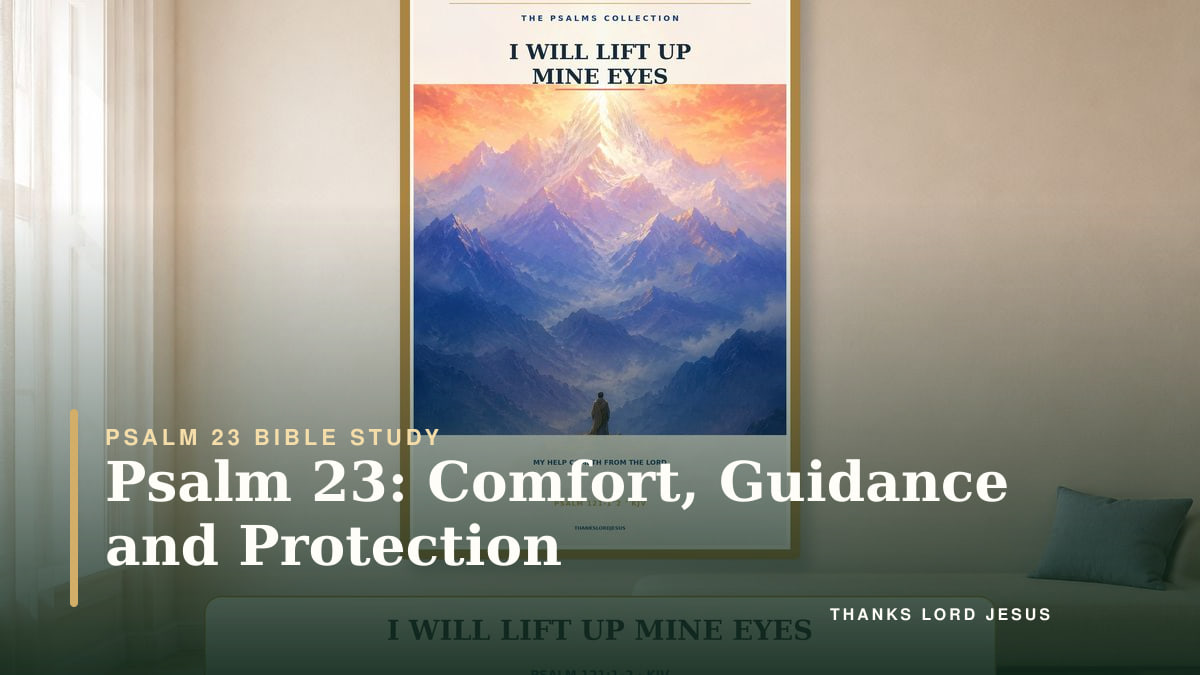
A warm, verse-by-verse explanation of Psalm 23—green pastures, the dark valley, the shepherd’s rod and staff, the prepared table and the promise of home.
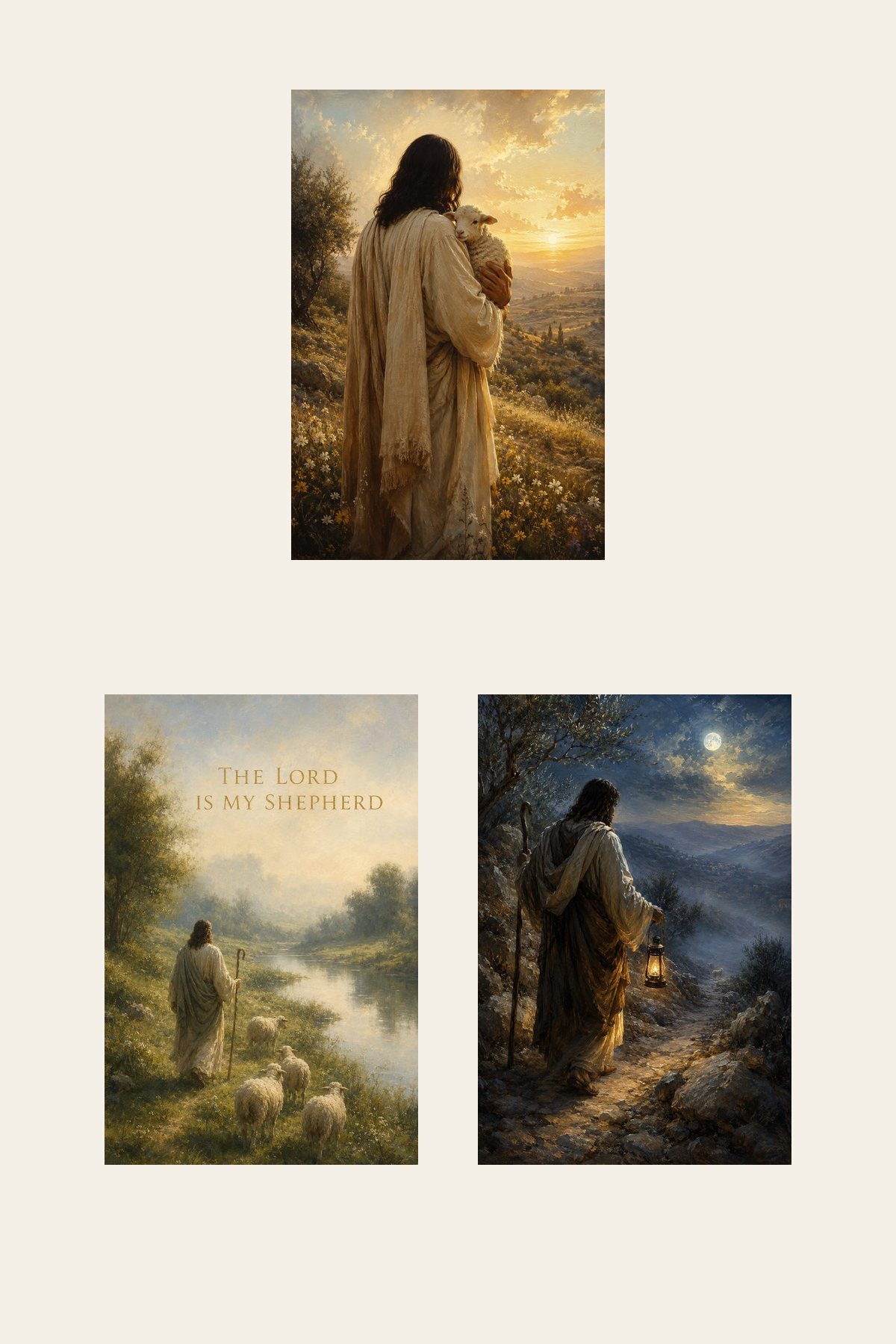
Psalm 23 is a song of trust in God’s personal care. David moves from green pastures through a dark valley, then to a prepared table and a permanent home with the LORD. The psalm does not promise life without grief or danger. It promises that the Shepherd is present and faithful.
The opening words are among the most loved in Scripture: “The LORD is my shepherd; I shall not want” (Psalm 23:1, KJV). David knew shepherding from experience before he became king (1 Samuel 16:11–13; 17:34–37). He understood that sheep need direction, provision and protection. By calling the LORD his shepherd, David confessed both dependence and confidence.
Psalm 23 comforts people in crisis and ordinary prayer. It teaches a daily posture: follow the Shepherd’s paths and trust His presence in every landscape.
Psalm 23 in its biblical setting
The superscription identifies this as “A Psalm of David.” Psalm 22 before it cries from deep suffering; Psalm 24 celebrates the King of glory. Together they move through suffering, shepherd care and triumphant kingship.
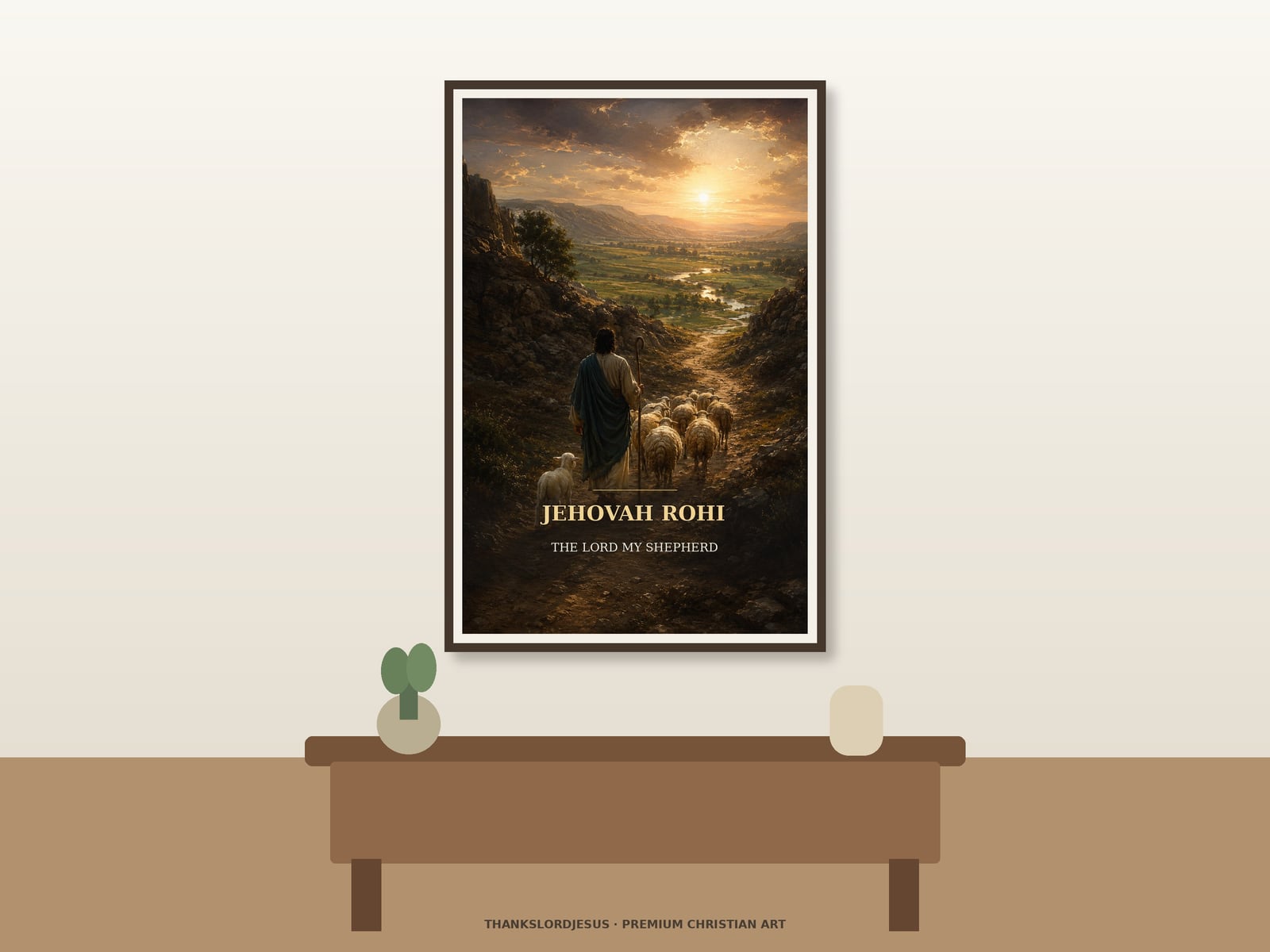
The image continues across Scripture. God is the Shepherd of Israel (Psalm 80:1), and Ezekiel 34 promises that He will search for His sheep. Jesus says, “I am the good shepherd” who gives His life for the sheep (John 10:11, KJV). Christians therefore read Psalm 23 in the light of Christ.
Psalm 23:1 — “The LORD is my shepherd; I shall not want”
David does not merely say the LORD is a shepherd, but “my shepherd.” This is covenant trust, not control. God knows, leads and cares for those who belong to Him.
“I shall not want” does not mean believers receive every comfort, possession or outcome they desire. In older English, want means lack. David is expressing confidence that under the Shepherd’s care, he will not lack what God knows is truly needed.
This guards against anxious self-reliance and entitlement. Jesus likewise tells His disciples to seek God’s kingdom and trust the Father for daily needs (Matthew 6:31–33). The sheep trusts both the Shepherd’s provision and wisdom.
Psalm 23:2 — Green pastures and still waters
“He maketh me to lie down in green pastures: he leadeth me beside the still waters” (Psalm 23:2, KJV).
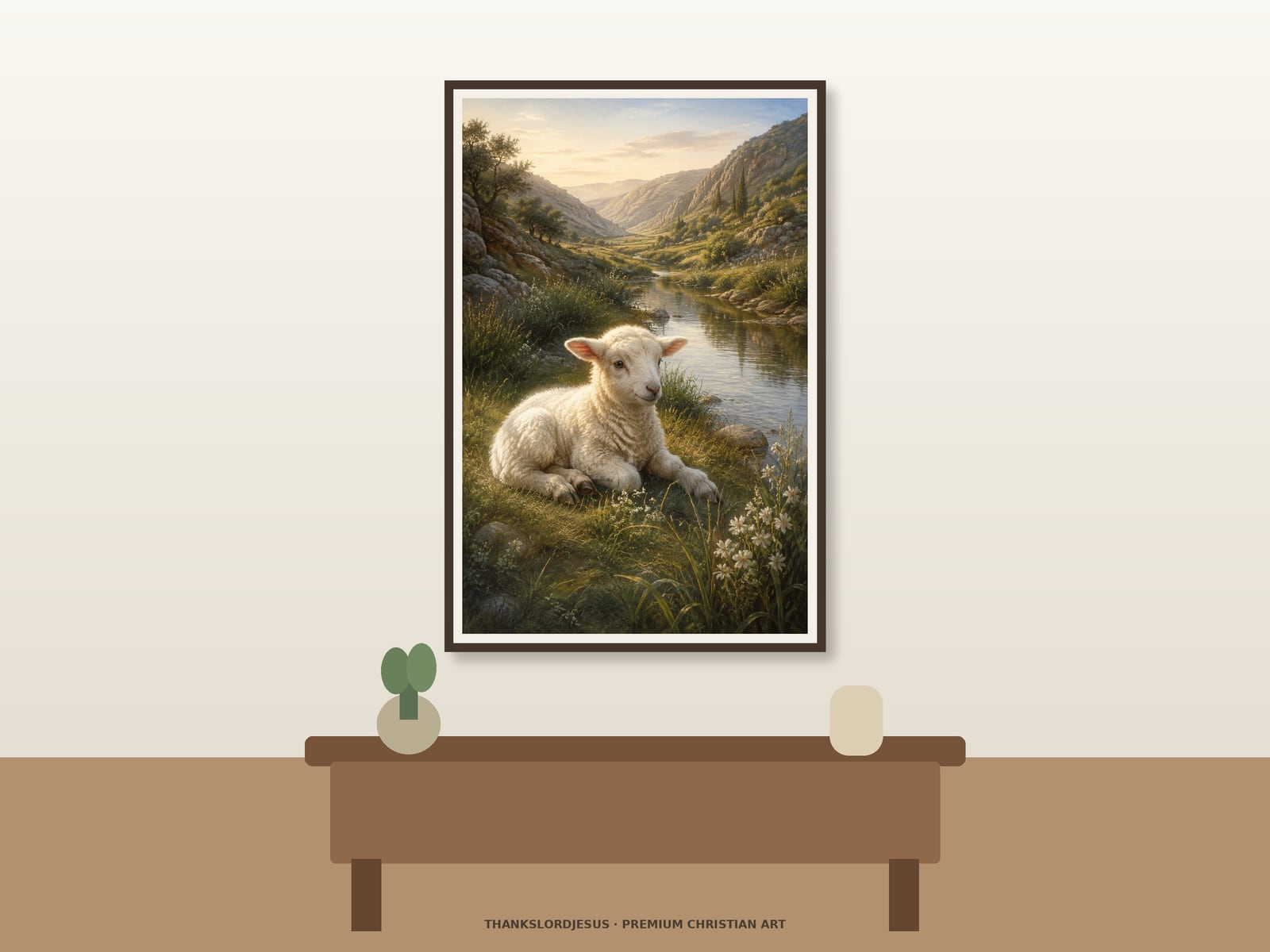
The picture is rest, nourishment and safety. The Shepherd brings the flock where it can be fed and refreshed; “still waters” suggests waters of rest that sheep can safely approach.
Spiritually, the verse reminds us that God is not only interested in our productivity. He cares for our whole being. He created patterns of work and rest, and Jesus welcomed weary disciples away to rest for a while (Mark 6:31). Rest is not always laziness; it can be an act of trust that admits we are creatures rather than machines.
This is not a guarantee of constant calm. It invites us to receive God’s refreshment through Scripture, prayer, worship, sleep, wise limits, fellowship and His presence.
Psalm 23:3 — Restoration and right paths
“He restoreth my soul: he leadeth me in the paths of righteousness for his name’s sake” (Psalm 23:3, KJV).
To restore can mean bringing back, reviving or refreshing. The Shepherd retrieves the wandering and strengthens the exhausted. He also leads in “paths of righteousness”—ways consistent with His character.
Sometimes we want relief without redirection, but Psalm 23 holds them together. God’s comfort gives strength to leave destructive patterns. Repentance is part of restoration because the Shepherd does not leave us wandering.
He does this “for his name’s sake.” God’s guidance displays His faithful character. Our hope ultimately rests not in our flawless ability to follow but in the goodness of the One who calls, corrects and leads us. We respond with obedience, while trusting His reputation rather than our own.
Psalm 23:4 — The valley of the shadow of death
The scene changes: “Yea, though I walk through the valley of the shadow of death, I will fear no evil” (Psalm 23:4, KJV). Faith does not keep David out of every valley. It changes how he walks through one.
The phrase describes deepest darkness: danger, grief and deathlike shadow. It includes mortality and seasons when the way ahead feels hidden. David walks through the valley; it is not his final home.
Why can he face it? “For thou art with me” (Psalm 23:4, KJV). Earlier David speaks about God as “he”; in the valley, he speaks to Him as “thou.” Suffering turns theology into prayer, and presence becomes more precious than explanation.
“I will fear no evil” does not ban emotion. Courage is trust that keeps walking because God is near, even while we tremble.
“Thy rod and thy staff they comfort me”
The rod could defend the flock and exercise authority; the staff could guide, support or draw a sheep from danger. Together they picture protective strength and attentive guidance.
God’s correction can be part of comfort. A shepherd who never redirected a wandering sheep would not be loving. Hebrews 12:6 speaks of the Lord’s discipline, which can protect us from a destructive road.
This verse should never be used to excuse spiritual abuse or human cruelty. God’s authority is perfectly good; human leaders remain accountable to His Word. The Shepherd’s rod protects the sheep—it is not permission for leaders to harm them.
Psalm 23:5 — A table in the presence of enemies
“Thou preparest a table before me in the presence of mine enemies” (Psalm 23:5, KJV). The image shifts from shepherd and sheep to host and guest. God prepares a table and welcomes David under His protection.
The enemies remain, but they do not control the table. The verse does not invite revenge or boasting; it teaches that hostility cannot cancel God’s care.
“Thou anointest my head with oil; my cup runneth over” (Psalm 23:5, KJV). Oil expressed welcome and refreshment; the cup pictures abundance. This is not guaranteed prosperity but generous hospitality: David is graciously received.
For Christians, every table of fellowship can echo the welcome of Christ. Jesus ate with people others rejected, gave Himself for sinners and promises a final feast in His kingdom. His grace creates gratitude, not superiority.
Psalm 23:6 — Goodness and mercy all the way home
“Surely goodness and mercy shall follow me all the days of my life” (Psalm 23:6, KJV). The word translated follow carries a strong sense of pursuit. David looks ahead and sees not random fate but God’s goodness and steadfast mercy coming after him.
Not every event is good; Scripture calls evil evil and gives space for lament. Yet evil does not own the believer’s story. God’s goodness is more persistent than the shadows.
David ends, “I will dwell in the house of the LORD for ever” (Psalm 23:6, KJV). The psalm’s destination is lasting fellowship with God. David’s confidence stretches beyond temporary pasture and present enemies toward home in the LORD’s presence.
Jesus’ resurrection deepens this hope. Christ prepares a place for His people (John 14:1–3), and Revelation 21:3–4 looks toward God dwelling with them where death and pain are gone.
How to pray Psalm 23
You can turn each verse into a simple prayer:
- Verse 1: “Lord, be my Shepherd today. Help me trust Your wise provision.”
- Verse 2: “Lead me into the rest and nourishment You know I need.”
- Verse 3: “Restore what is weary or wandering, and guide me in the right path.”
- Verse 4: “Meet me in this valley. Protect, correct and comfort me with Your presence.”
- Verse 5: “Teach me to receive Your grace even while conflict remains around me.”
- Verse 6: “Help me recognize Your goodness and mercy, and keep my hope fixed on home with You.”
Praying Scripture does not require ignoring your own words. Tell God honestly where the valley hurts, what you fear and where you need direction. Psalm 23 gives those prayers a foundation of trust.
Key takeaways
- Psalm 23 promises the Shepherd’s presence, not a trouble-free life.
- “I shall not want” means trusting God for what He knows we truly need.
- God restores His people and leads them into righteous paths.
- The dark valley is a passage, not the believer’s final destination.
- God’s rod and staff picture protective authority, guidance and correction.
- The psalm ends with goodness, mercy and lasting fellowship with God.
Follow the Shepherd today
Psalm 23 invites a simple response: entrust the next step to the Shepherd. You may be resting beside still waters, being redirected onto a right path or walking through a valley you would never have chosen. The landscape changes; the Shepherd does not.
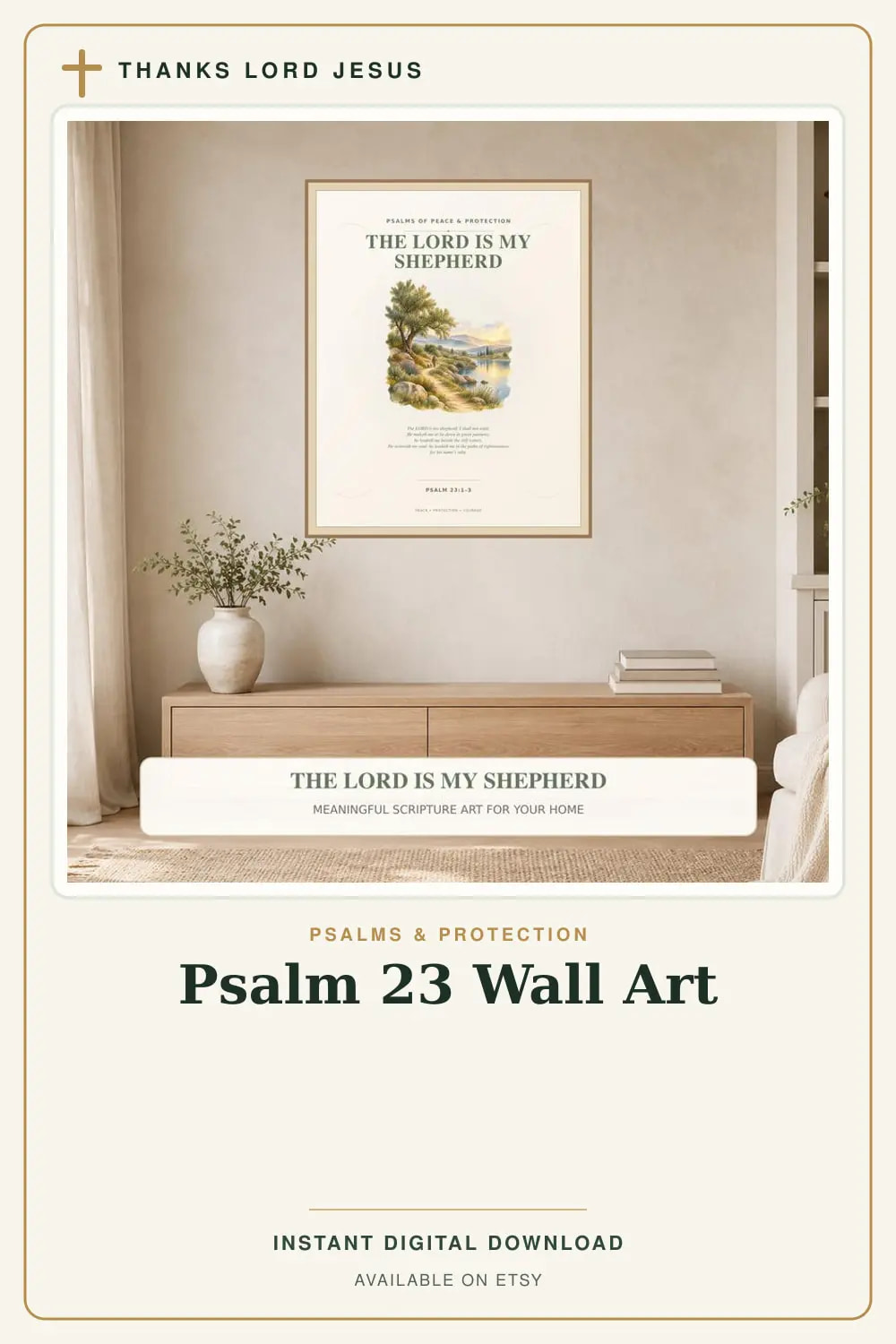
Read the psalm aloud slowly. Pause after “thou art with me,” and name the place where you most need that truth. If Scripture art would help your household return to this promise, you are welcome to explore Psalm 23 printable artwork. May the design remain only a signpost, always directing your heart back to God’s living Word.
Related printable Scripture art
Keep this biblical truth in view.
Frequently asked questions
Questions about this topic
Who wrote Psalm 23?+
The psalm’s superscription identifies it as “A Psalm of David.” David was a shepherd before becoming Israel’s king, which gives the imagery a natural connection to his life.
What does “I shall not want” mean?+
In the KJV’s older English, want means lack. David is not claiming he will receive every desire. He trusts that under the Shepherd’s care he will not lack what God, in His wisdom, knows is necessary.
What is the valley of the shadow of death?+
The phrase describes deepest darkness and mortal danger. It can include literal death and other severe valleys of fear, grief or uncertainty. The emphasis is not on naming one specific place but on God’s presence through the darkest path.
What do the rod and staff represent?+
They represent the Shepherd’s protective strength, authority, guidance and correction. They comfort because the flock is not abandoned to danger or left without direction.
Is Psalm 23 only appropriate for funerals?+
No. It is deeply comforting in grief, but it also speaks to everyday trust, rest, decisions, repentance, conflict and hope. Our Psalm 23 Wall Art collection offers visual reminders for prayer spaces and homes throughout every season.
Scripture for your space